Finding Solace in a Japanese Garden
Hi friends,
These past few weeks I’ve taken a step back from everything. From being online, from work, from my social life, from my routine. June 13 marked the six month anniversary of my dad’s passing and as if a timer had gone off in my body, I fell apart. They say there are Five Stages to Grief and for me, I skipped over denial completely and fell straight into anger and depression. Panic spread over my body like hot coal and suddenly I could no longer deny my darkest feelings. Despair turned into anger which turned into a desperation to know what none of us can truly know: Where do our loved ones go? What is on the other side?
Part 1: The Breaking Point
For the past six months, I’ve been operating in full survival mode. Losing my father was sudden and shocking which I detail here in my first blog post back in February. Everything fell apart so quickly and my world, once wholesome and certain, turned dark.
In January, I went back home to LA immediately after I got the call and used all my paid vacation to cover my rent. France only gives three days for bereavement. I came back to Paris in February, went to work, fell into a depression, and took two weeks of sick leave. Two weeks later, I went back to work only to have my family calling me to come back home so I did. During the month of March, I took unpaid leave and helped my family apply the foundations to build a new normal around our loss. By April, I was happy to be back in Paris and I renewed my visa with the first appointment I could get. I was excited to be reunited with my friends and I dove back into everything that I knew could make me happy: visiting new exhibitions, styling new looks, taking content, planning my birthday trip to Copenhagen, and organizing a big birthday party here in Paris. April spun into May which poured into June. A packed social calendar filled with activities, outings, and work.
As happy as I was, I knew something inside of me was not good. I started to wonder why no one asked me specifically about the grief anymore and if it was my own fault for looking too composed for others to be concerned about me. The veneer of happiness that I projected started to feel thinner and thinner and I realized I needed to say something otherwise I’d spend my whole life feeling resentful. I started slowly with one friend, then another, explaining how I knew I looked okay but inside I felt deeply sad and alone. Logically, I know I’m not alone but I compartmentalized all the emotions so much I found it scary to face them myself yet alone explain them to someone else. I could feel the darkness of the grief sitting in the corner of my mind, waiting for me to acknowledge it and if I didn’t, I’d lose the myself in it.
Of course, I know it’s not possible to “plan for grief” and we don’t have full control of our emotions, but by middle of June, I really thought I could. It just felt too scary to step away from everything. Life as an expat has made me hyper independent and as a result, asking for help felt nearly unreachable. Furthermore, I enjoyed going to work. My colleagues have become some of my dearest friends and I didn’t want to be sent home out of fear of being worse off alone. I never just stay home. It’s not in my nature to do nothing. But I also knew that is is simply not possible to grieve and work at the same time. I had not cried in weeks and I could no longer feel my dad’s presence out of fear of falling apart. I was numb.
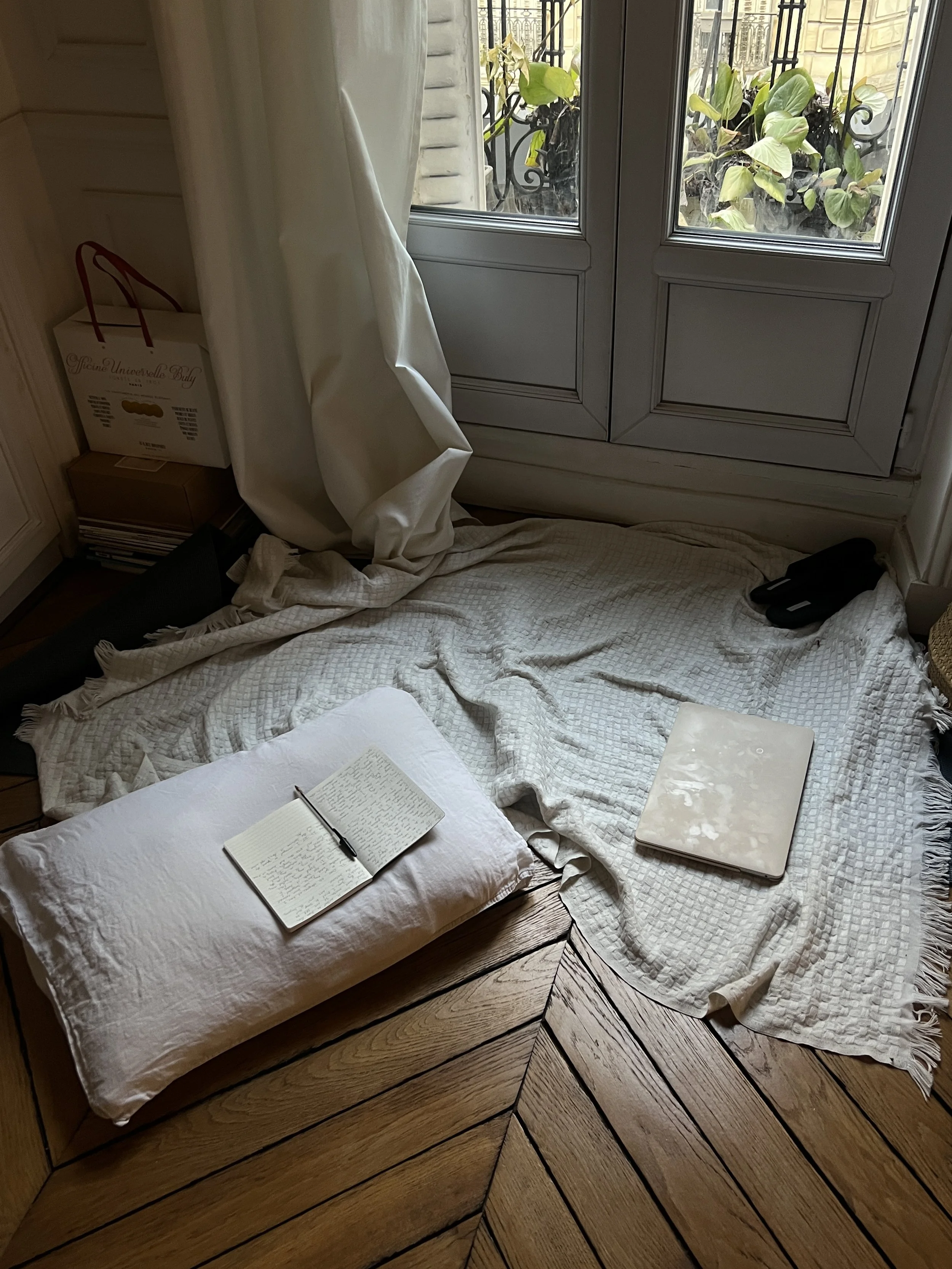
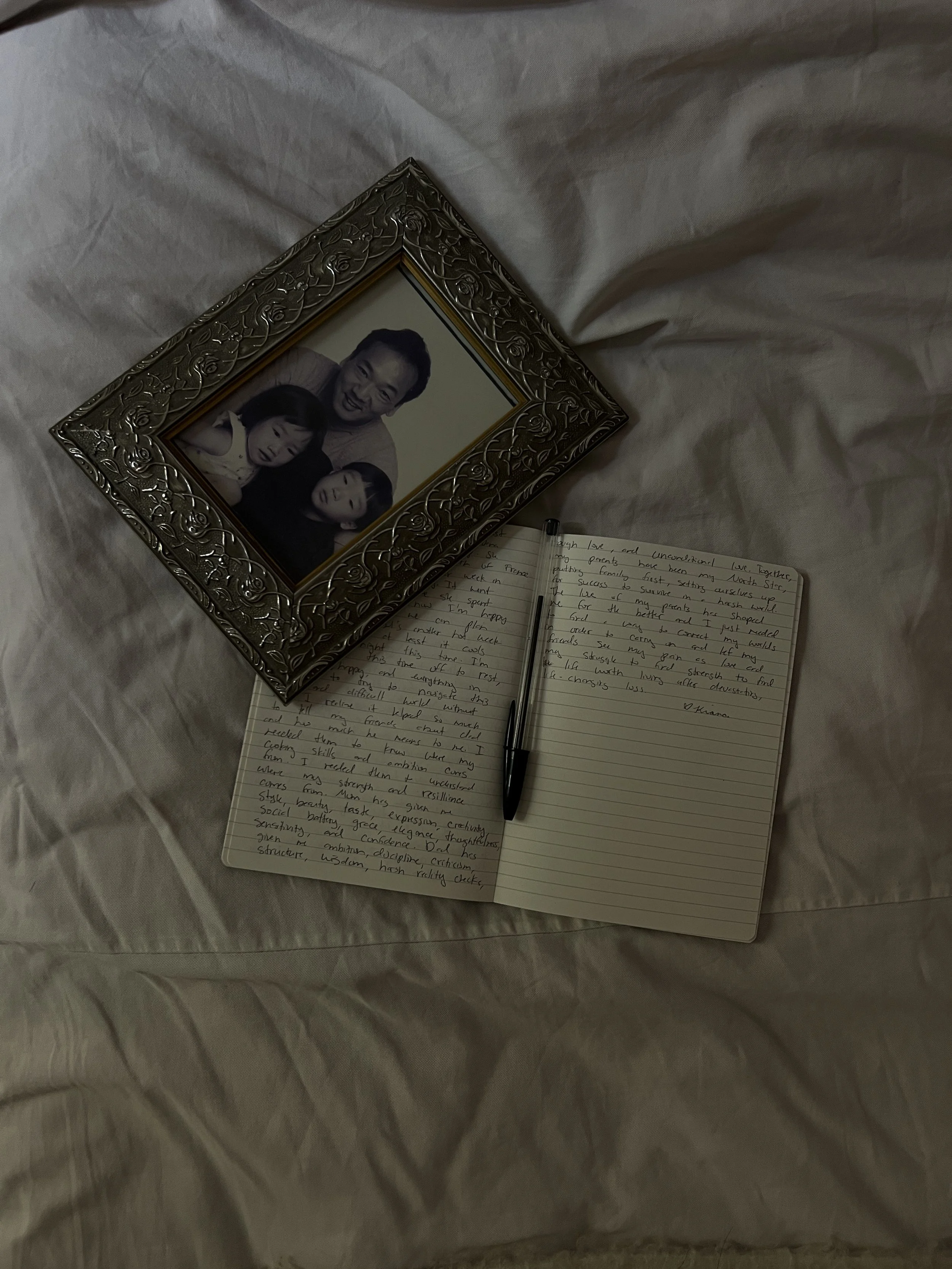
That’s when the panic attacks started. First one, then another, and finally, I let the darkness consume me. I spent hours on the floor of my room staring out the window, watching the light between the trees sprinkle onto the face of the neighboring building. I didn’t want to eat. I didn’t want to talk to anyone. I just slipped in and out of consciousness trying to escape the extreme pain of losing one of the most important people in my life. Reality felt heavy and distant. Disappearing was the only thing I wanted.
But in the far corner of my mind, I knew this wasn’t an option. My family needed me and ultimately, my dad wouldn’t want me to throw away everything I had built in Paris. Nevertheless, I desperately wanted to find him or at least scrap together a piece of closure that I didn’t have.
Part 2: The Garden
A friend suggested that we visit The Albert-Kahn Museum and Garden where a Japanese garden sits inside the chic Parisian suburb of Boulogne-Billancourt. It’s a place I’ve been wanting to visit and it just so happens that my friend lives nearby. My dad was second-generation Japanese. His dad had lived through the camps and his brother had served briefly in the military. He was proud to be Japanese but like many immigrants, he faced a deep cultural identity crisis when it came to passing down all the traditions and heritage to my brother and I since he had never been to Japan himself. We were planning to go this year after his remission from the hospital.
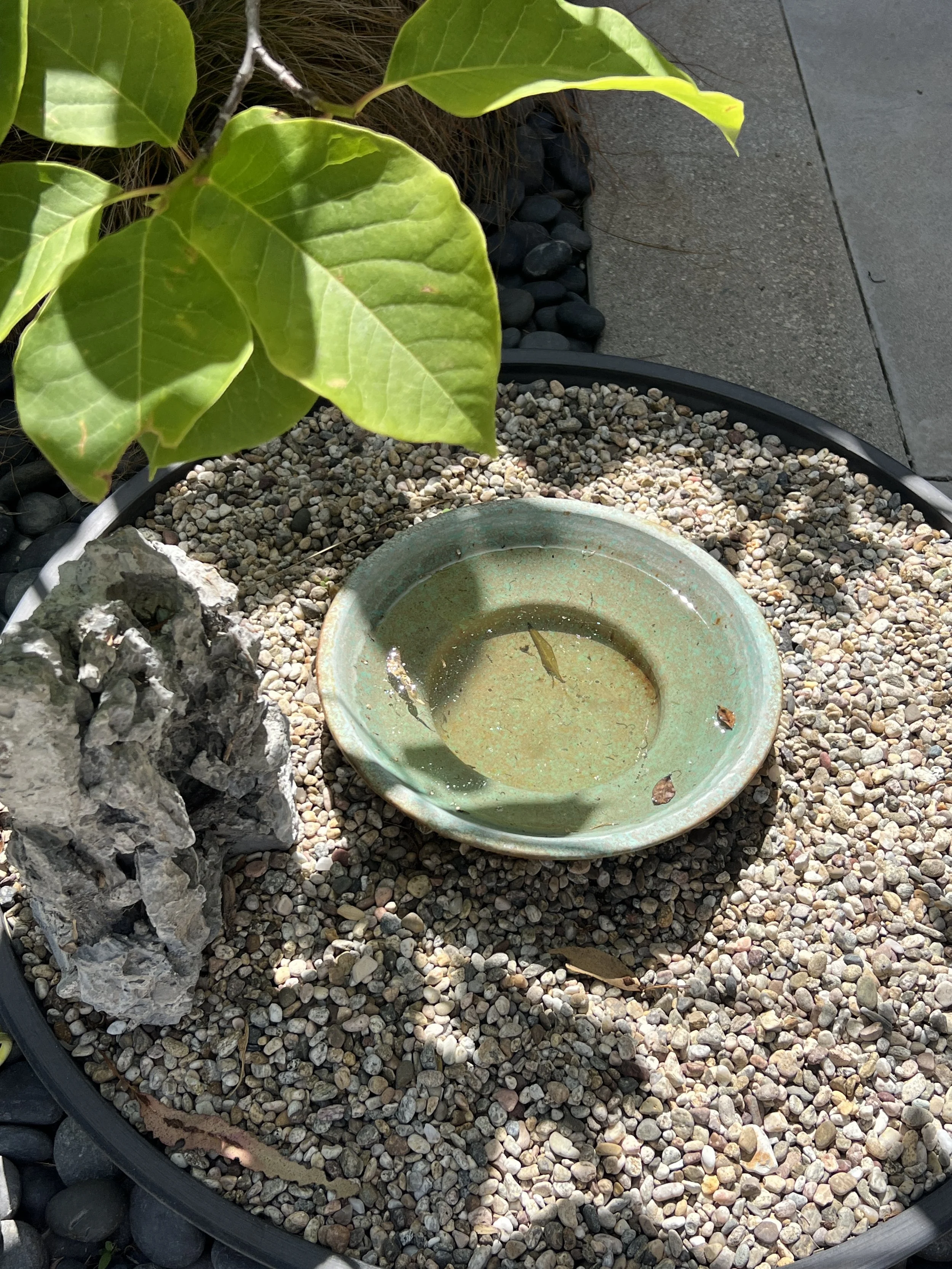
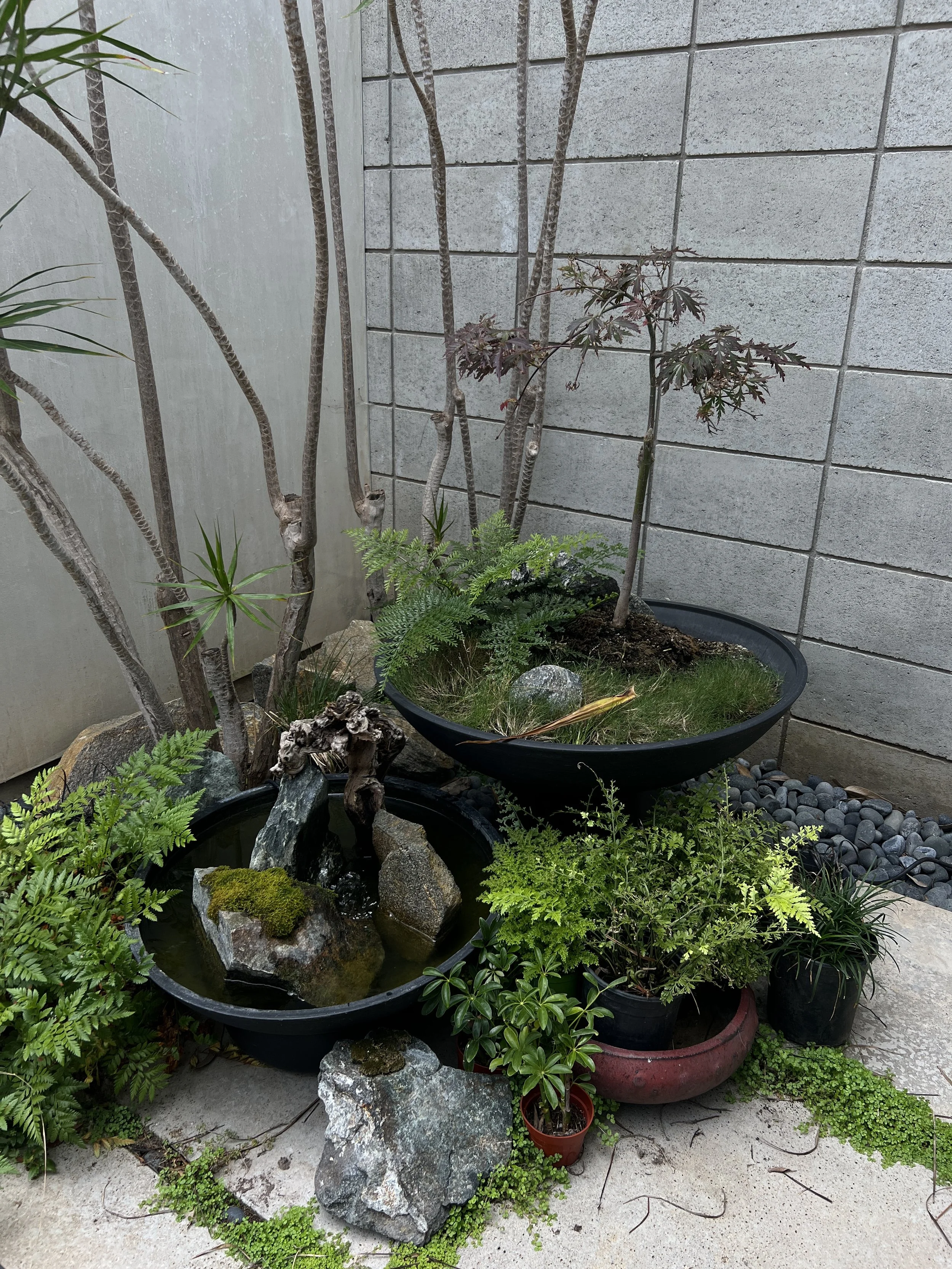
Instead, he manifested the values and traditions of Japanese culture through cooking, design, gardening, and architecture. I have fond memories of visiting the Japanese Garden in Balboa Park as a family and doing an ammature photoshoot at the Huntington Library while my parents wandered around. At home, dad designed the landscaping inspired by the foundational elements of Japanese gardens: minimalism, harmony, asymmetry, texture, water, and balance. Here are some photos of our family home garden:
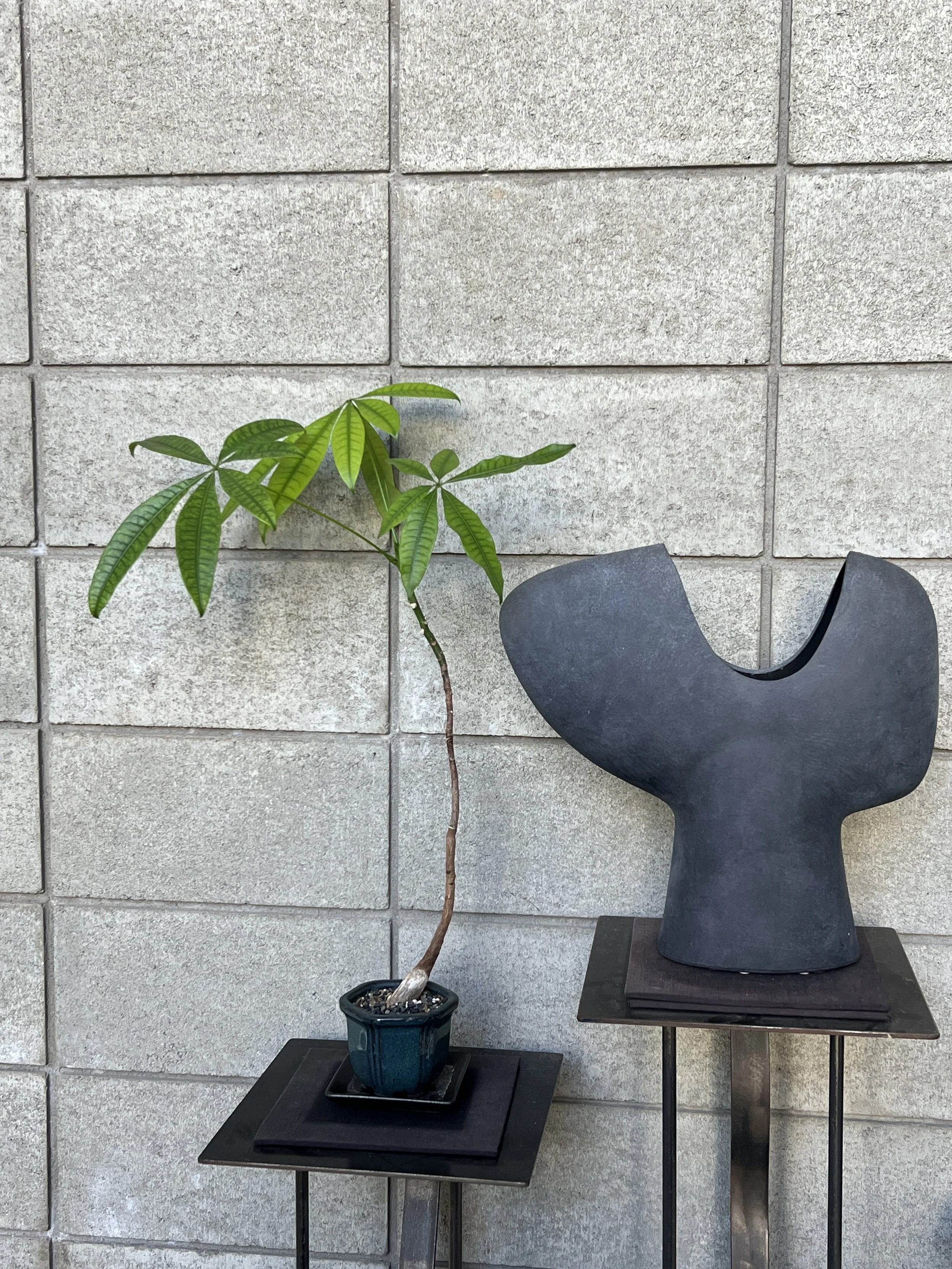
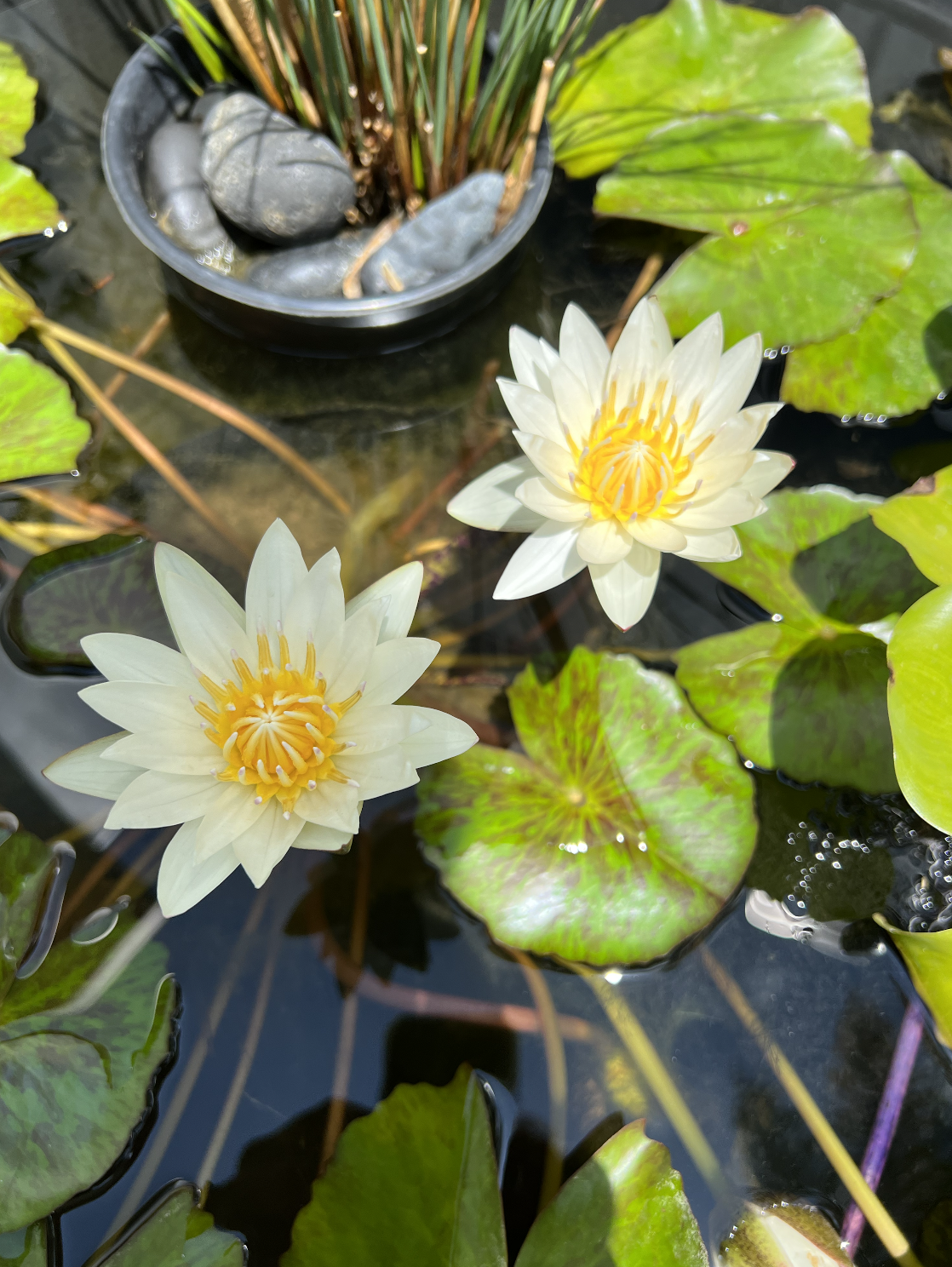
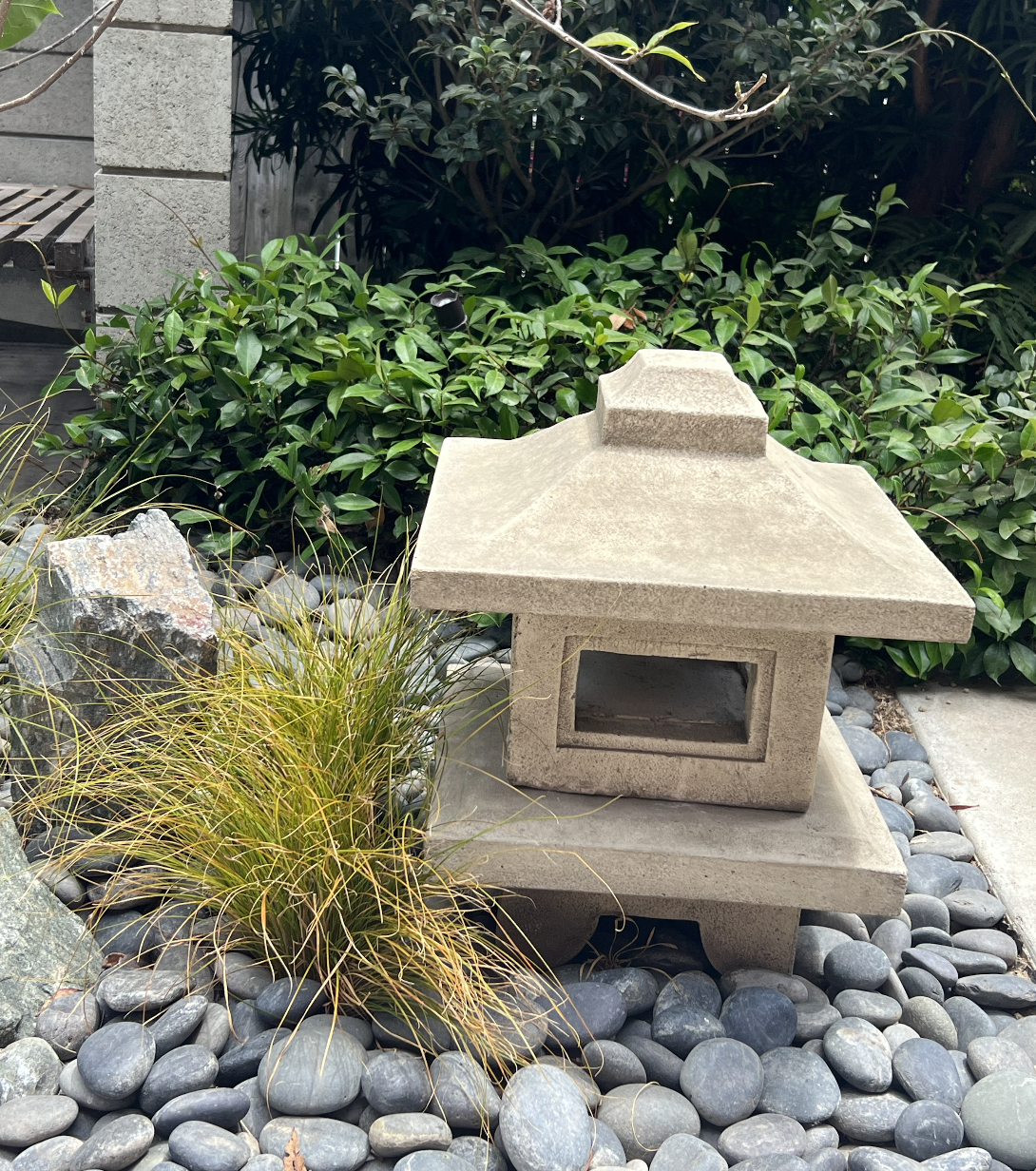
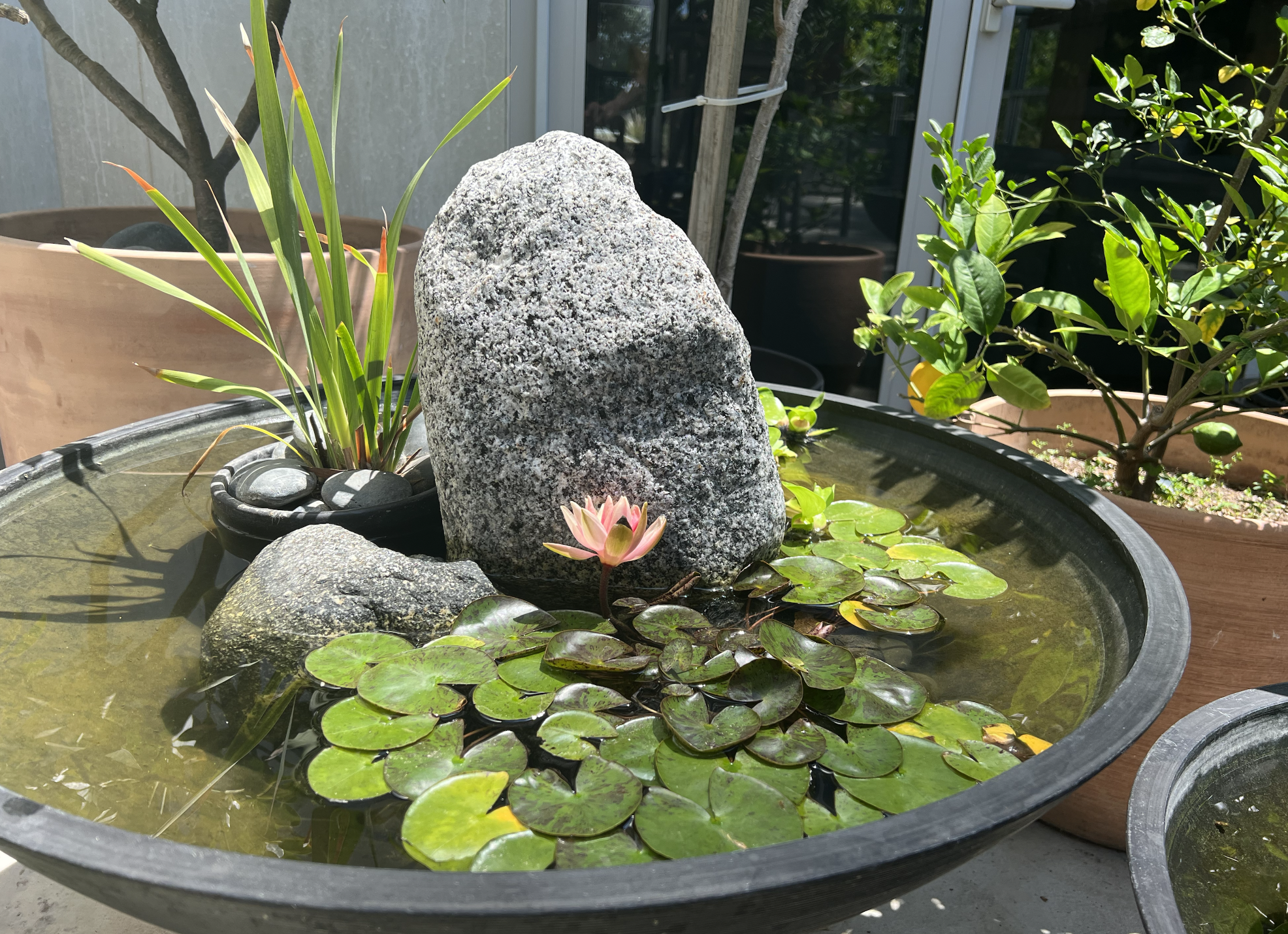
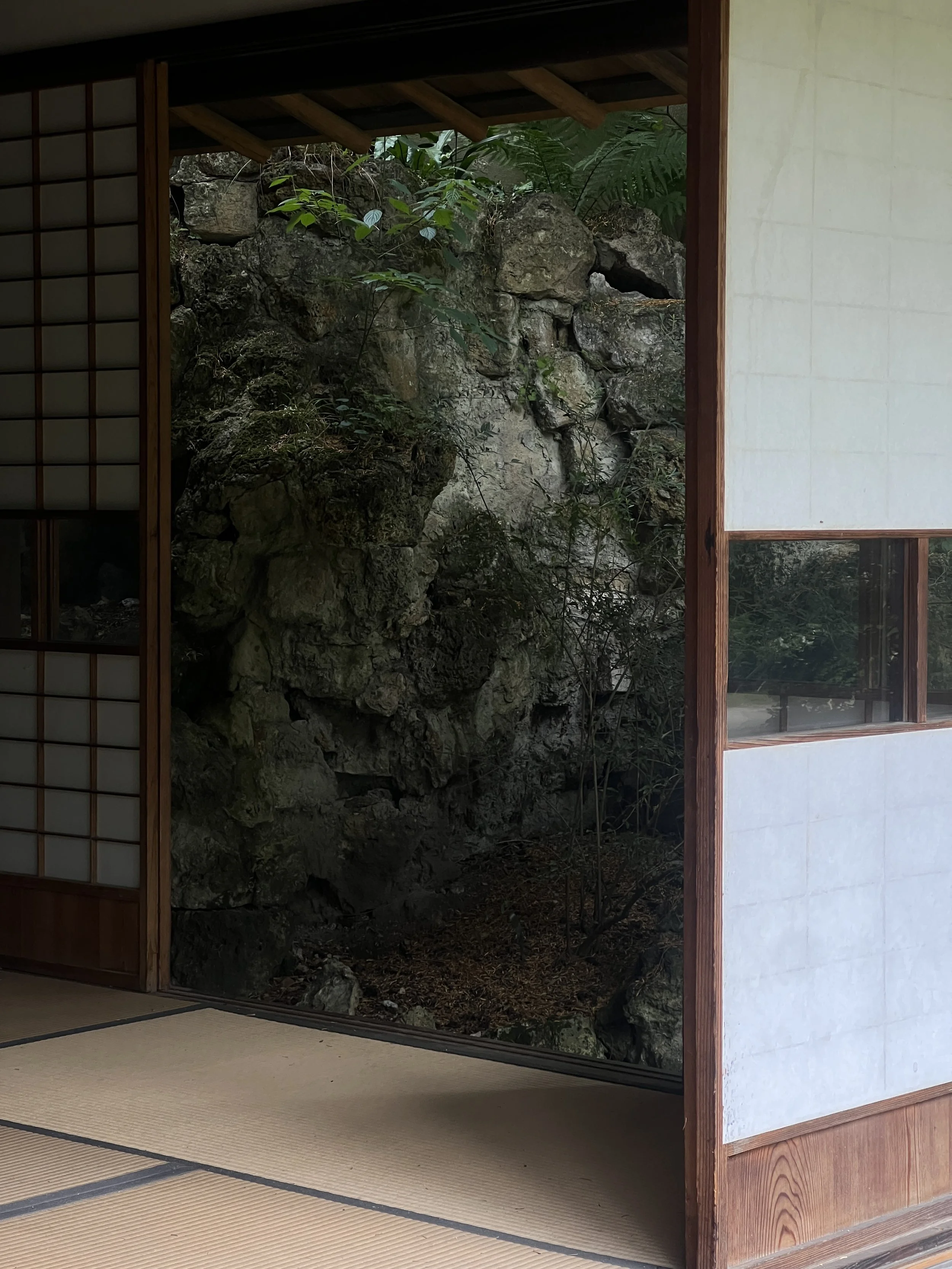
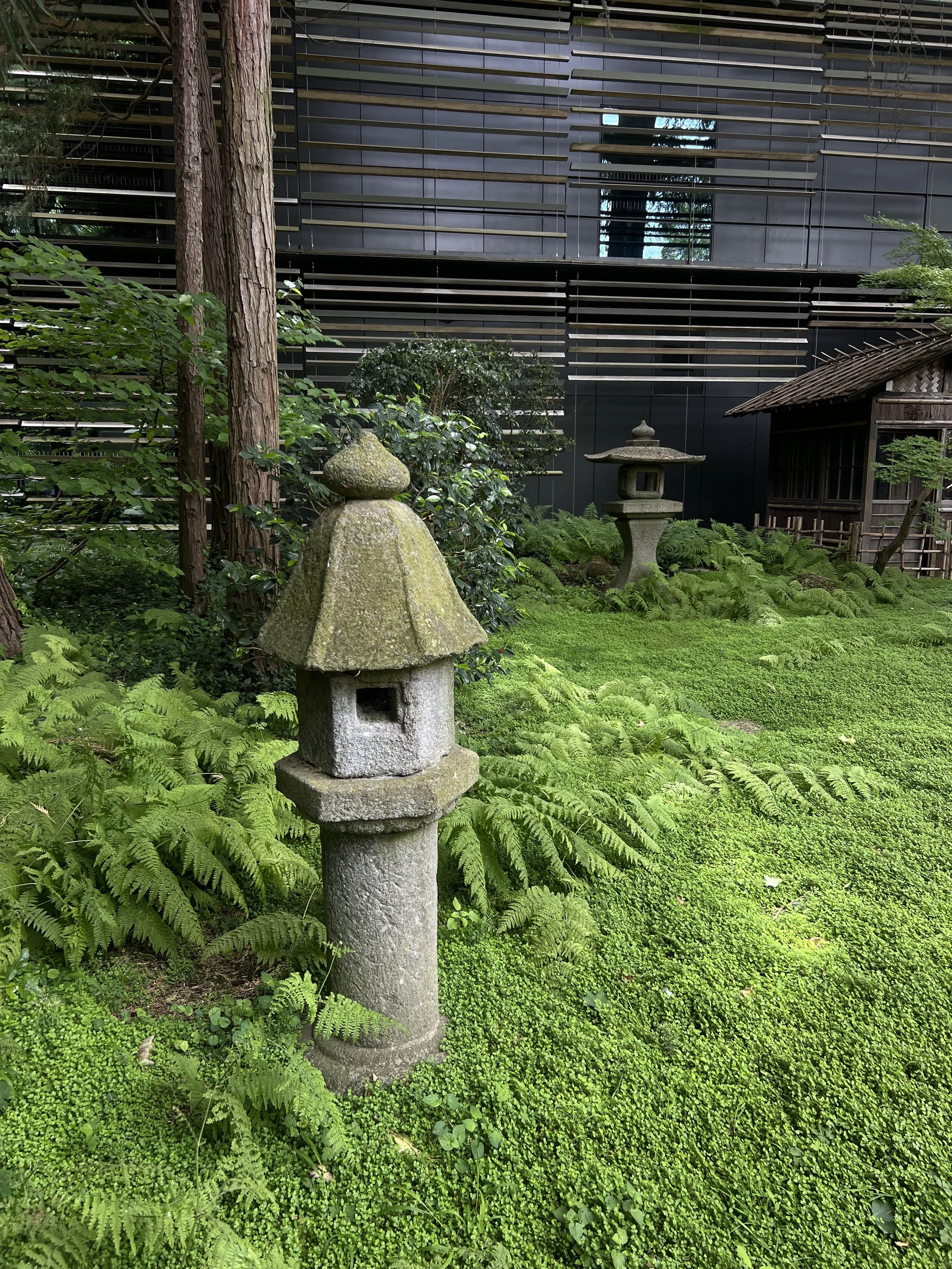
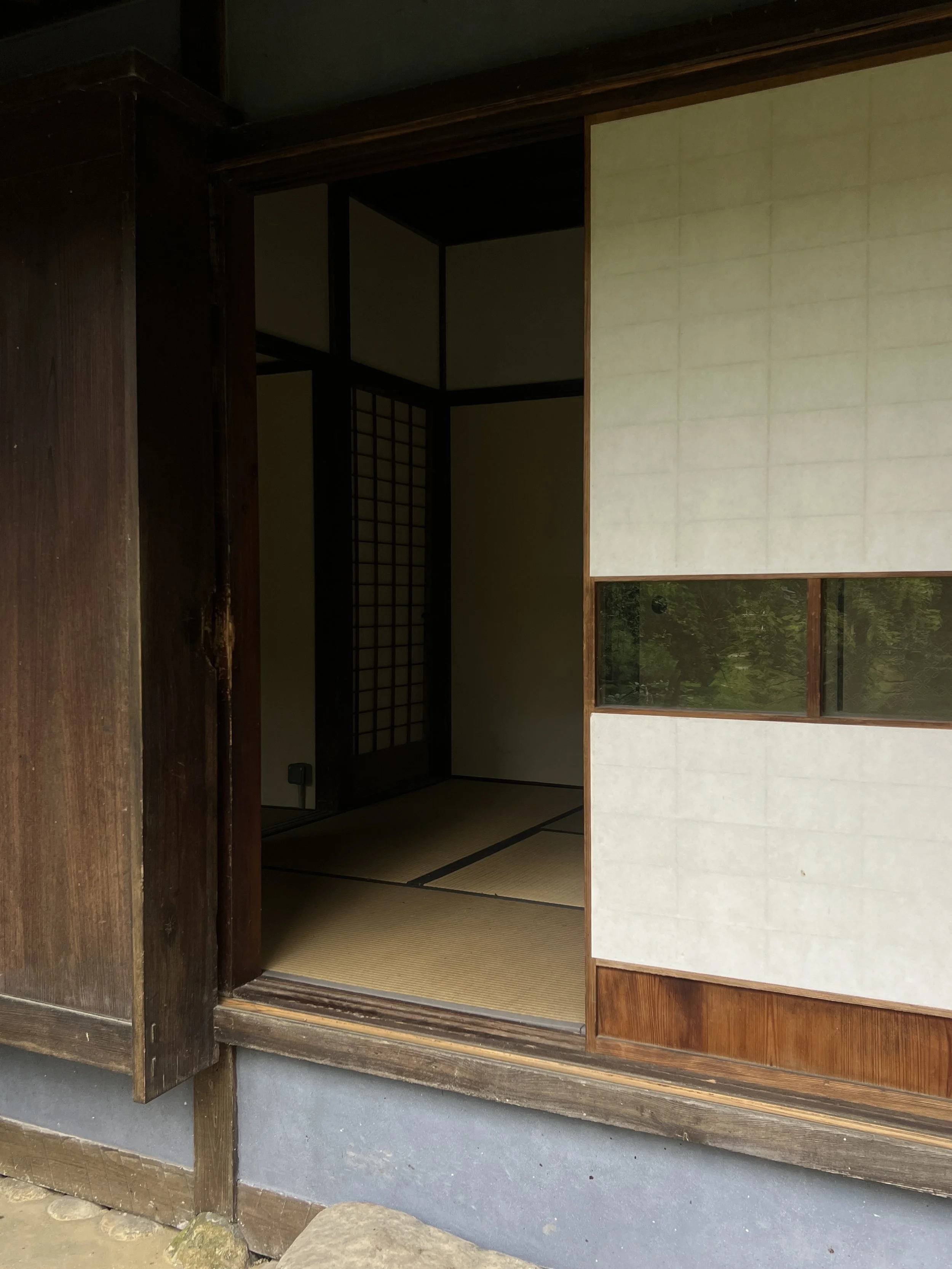
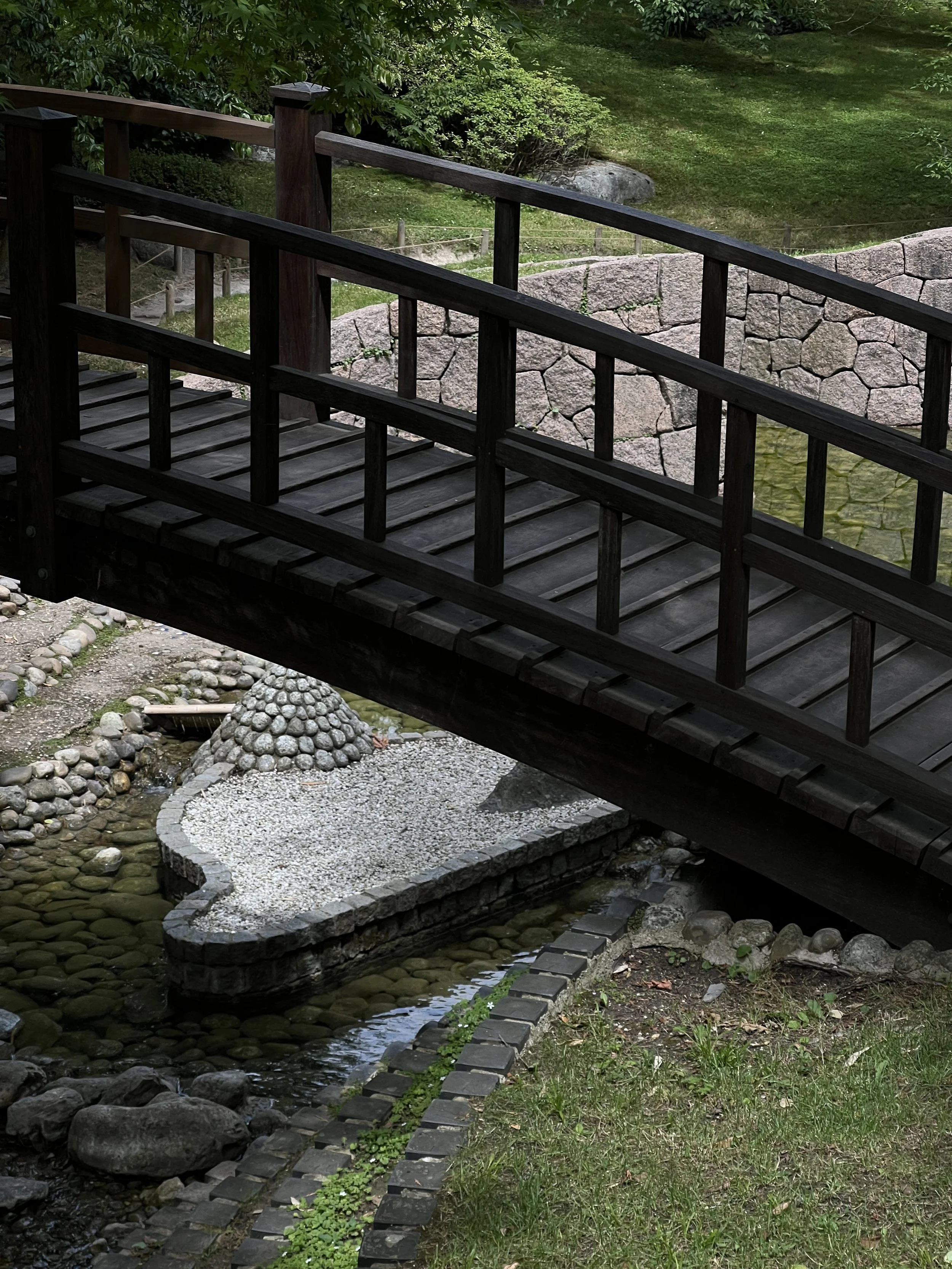
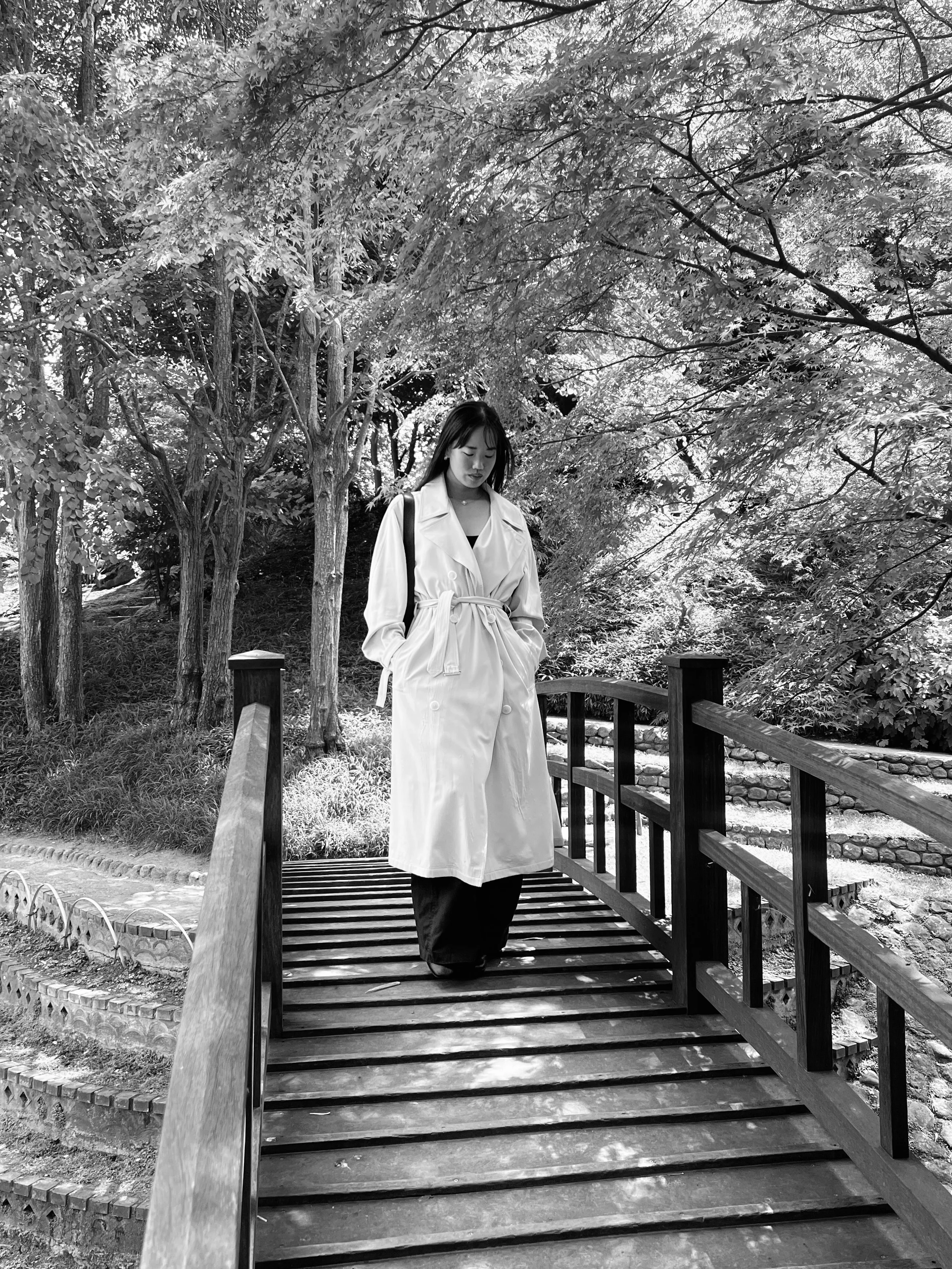
Entering the Japanese Garden at The Albert-Kahn Museum felt like being transported into another world. A little tea house nestled behind the red maple trees, a tiny stream led into a pond with koi fish lingering in the sunlight, and meticulously placed rocks lined the bed and sides of the pond. The soft stillness of the garden allowed me to feel transported far outside the city. No car noise, no shouting, just the sound of a little stream gently hitting the meticulously carved rocks.
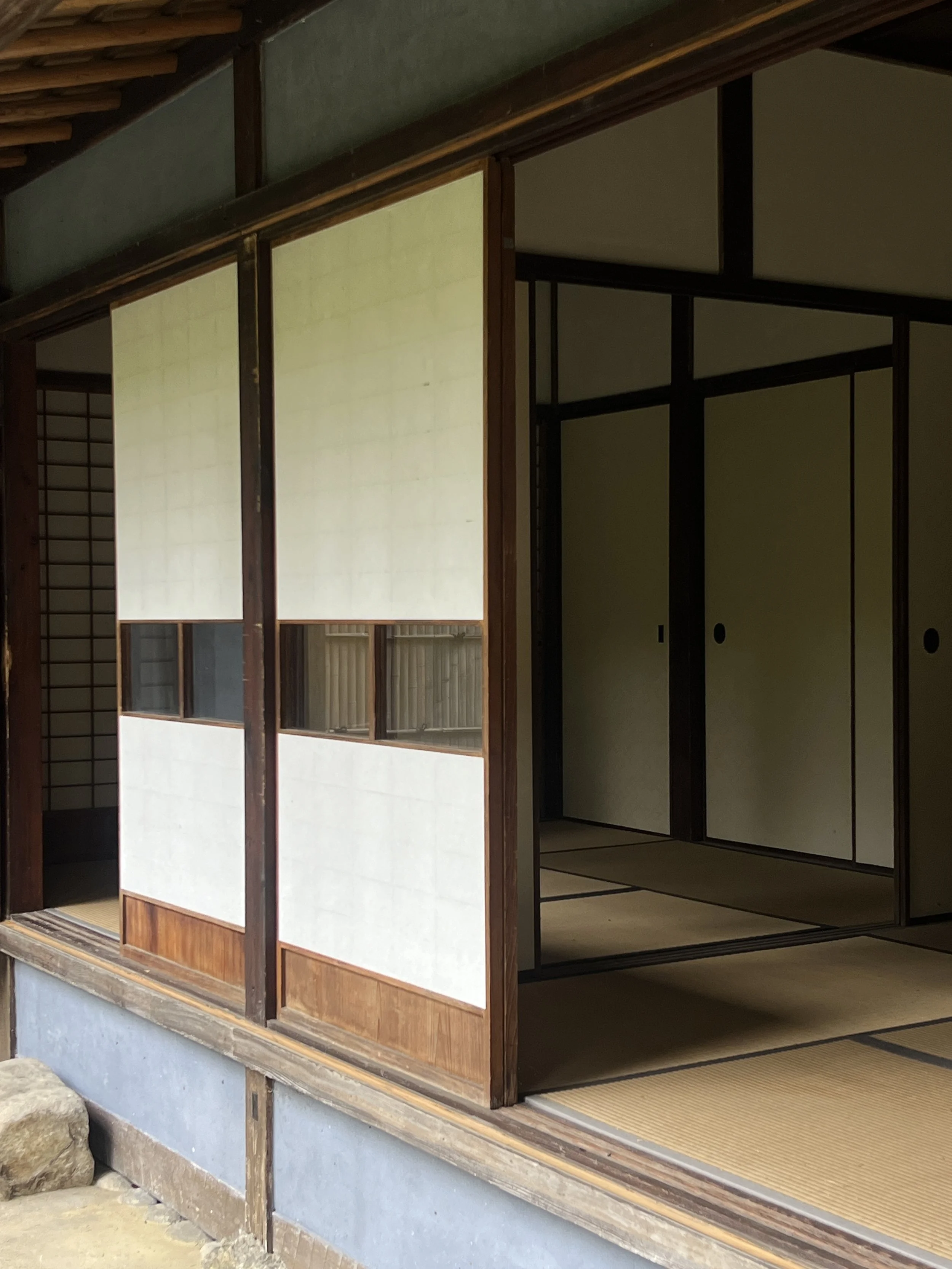
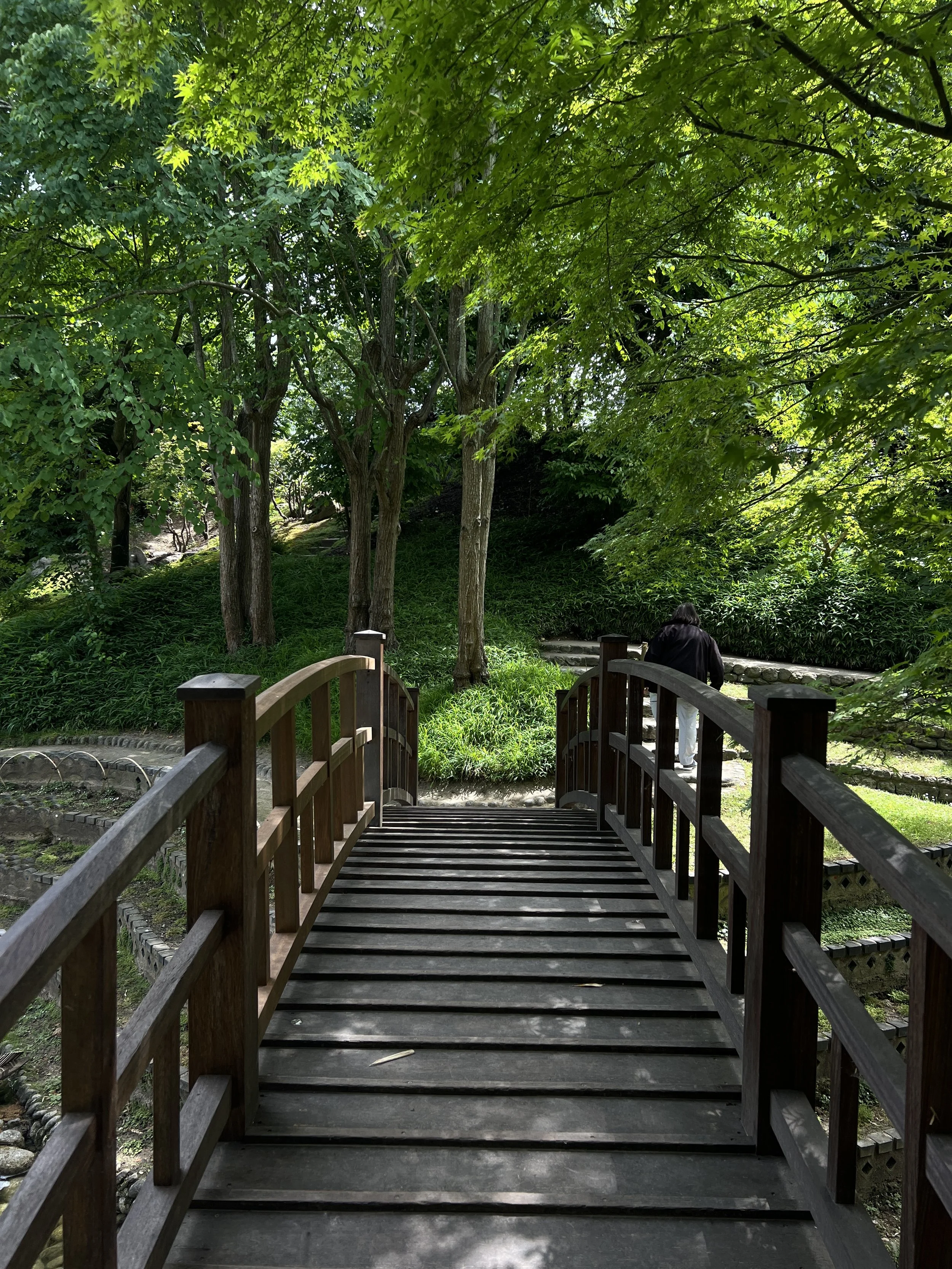
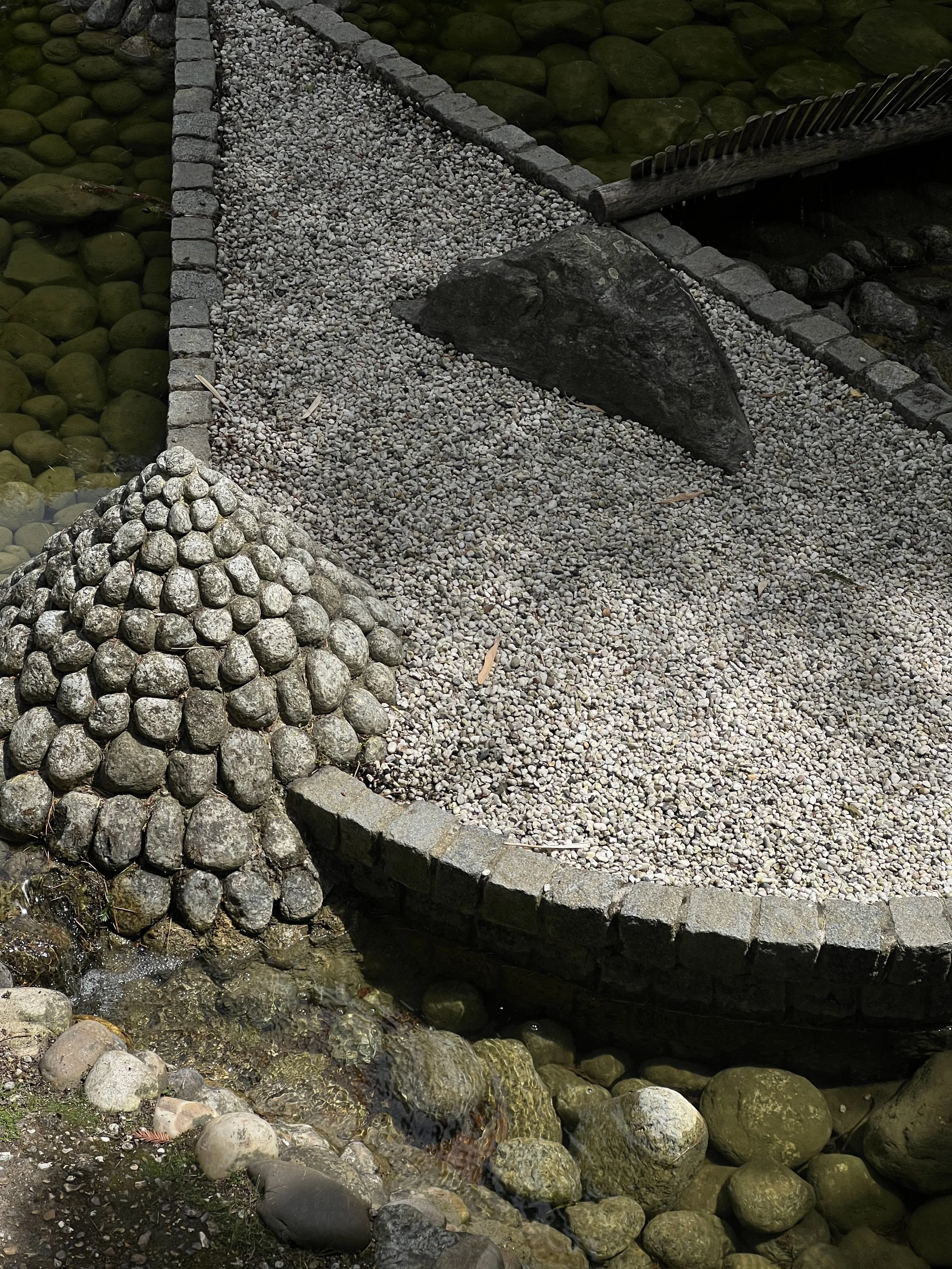
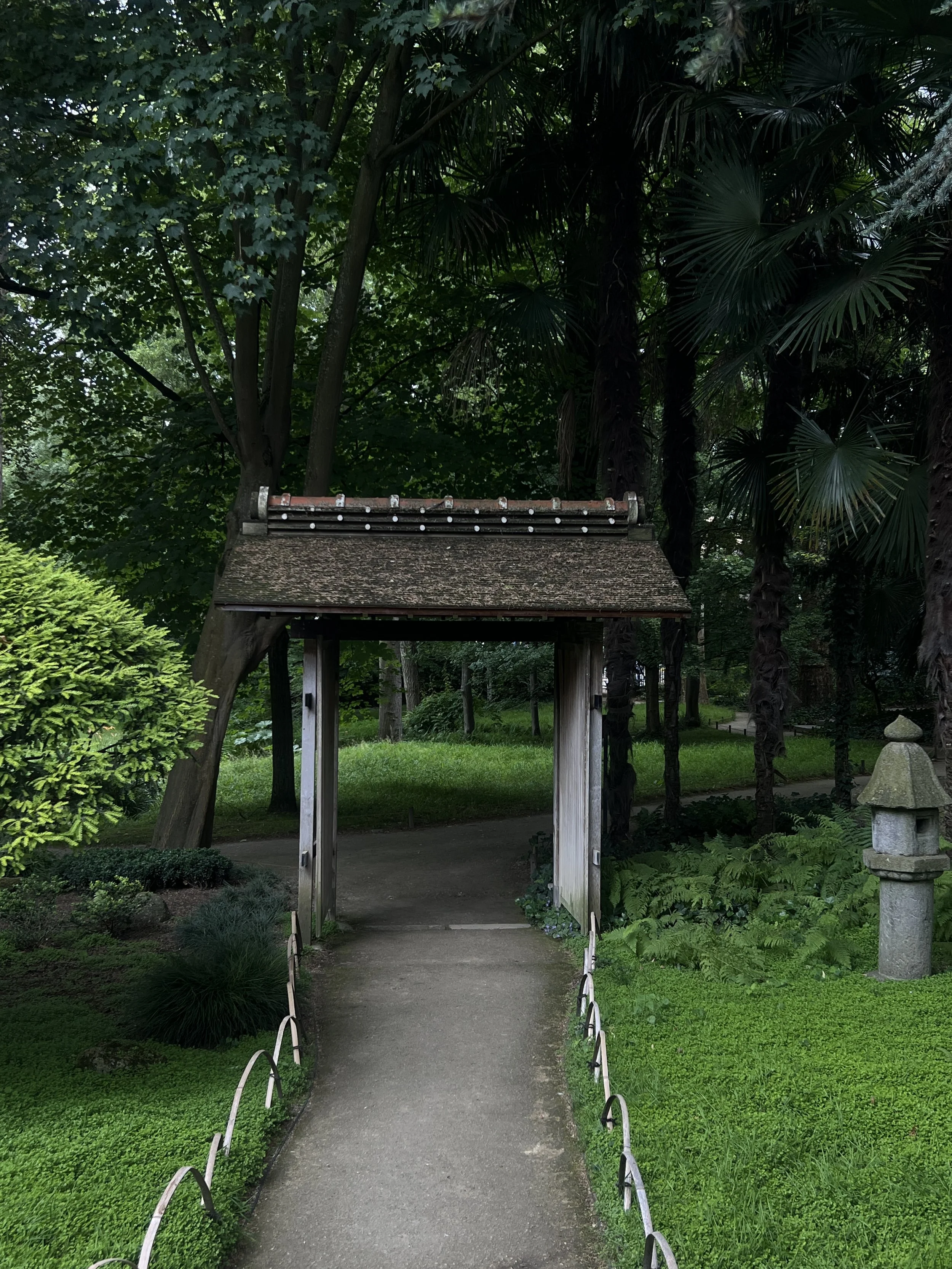
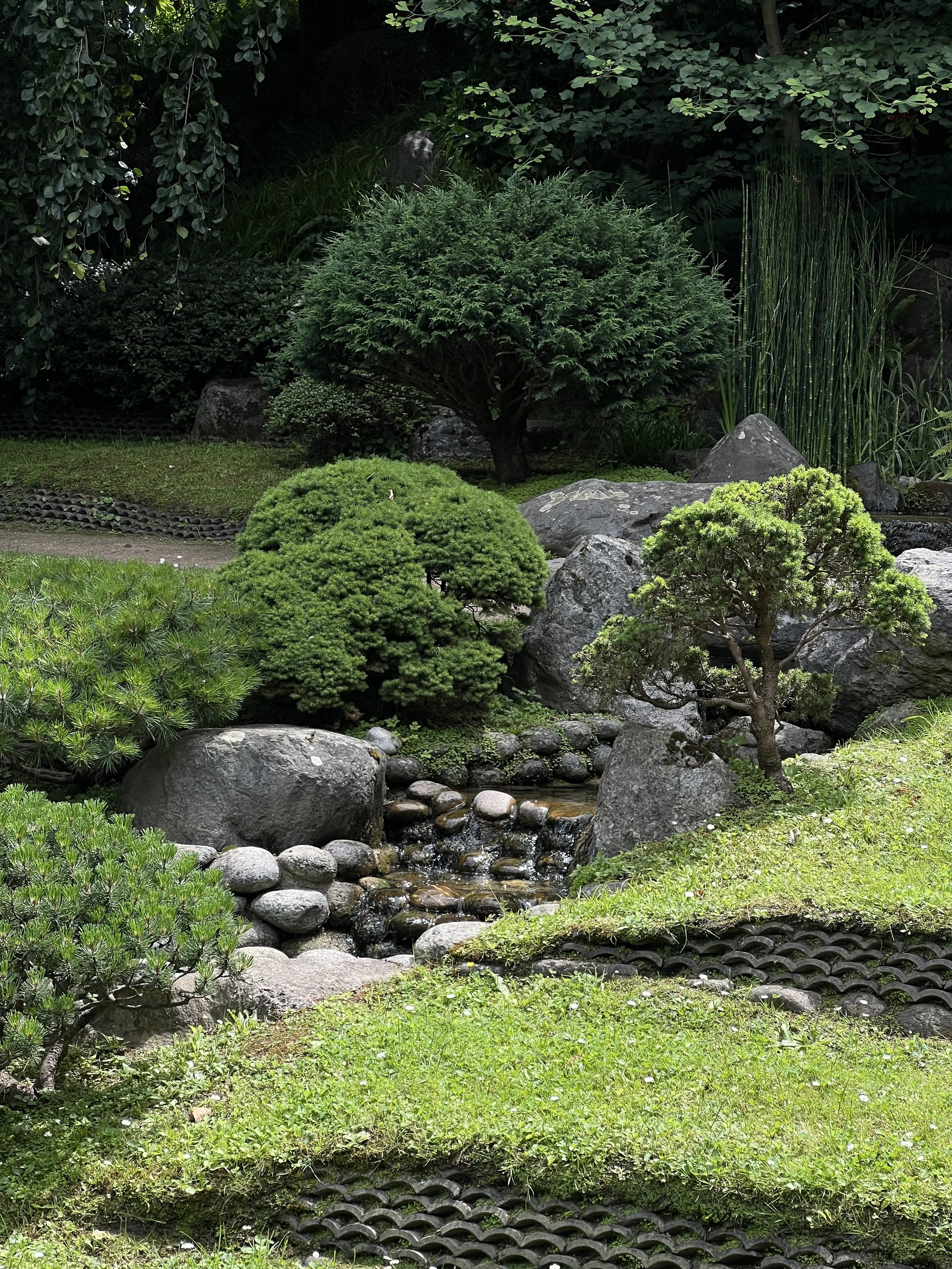
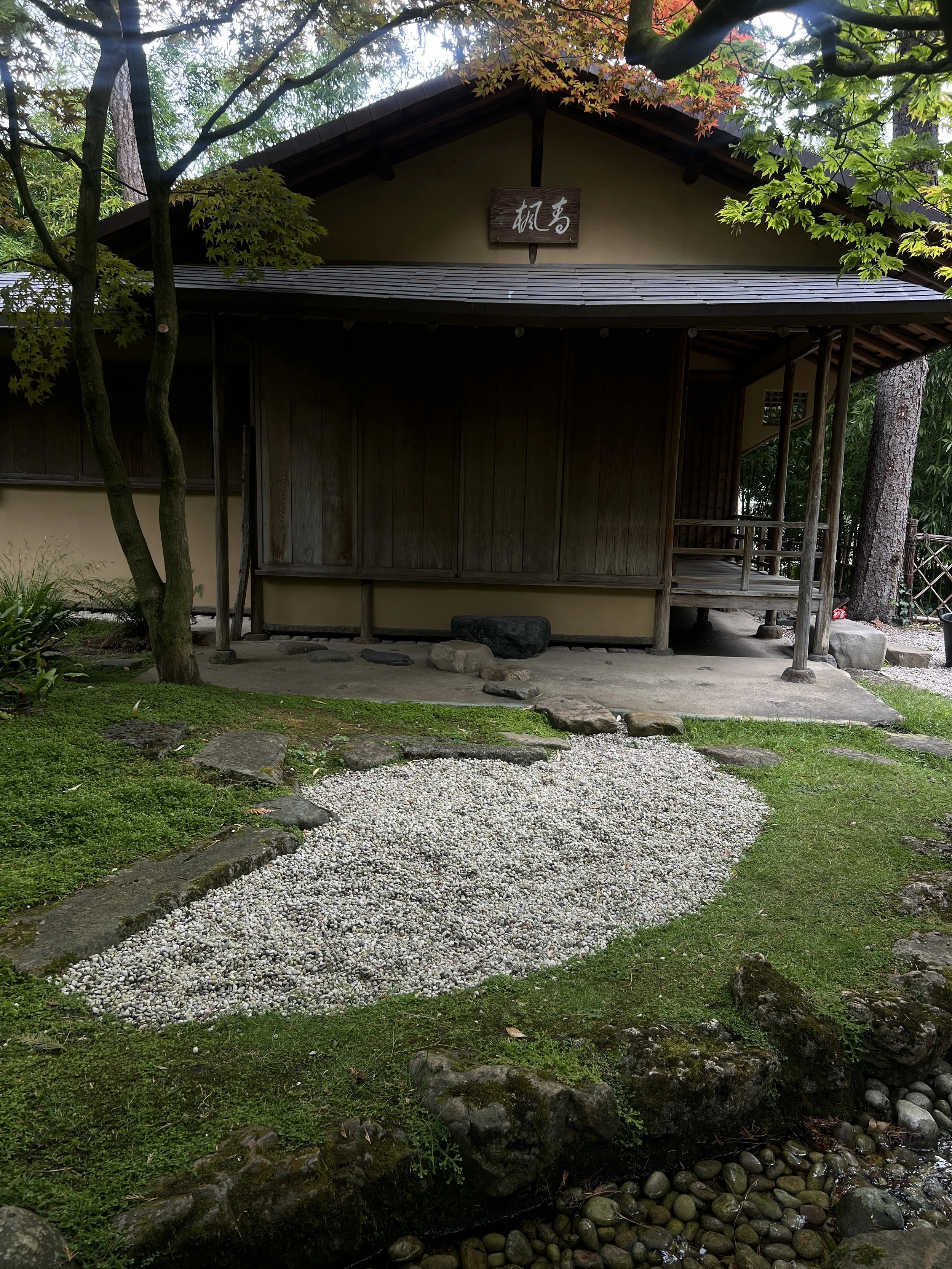
There are parallels, unspoken connections between the execution of design within a Japanese garden and the morals themselves. The garden is made with purity, idealized beauty, seasonality, control, and harmony in mind. Intention and visual serenity are at the center of everything. If we don’t know what Heaven looks like, maybe we can envision it for our mortal selves so that we might know where our loved ones go when they’re gone. It’s because of this that I envision my father here. Lingingering in a place of contemplation, balance, serenity, and bliss. Where the light creates fleeting scenes of beauty and the energy of the earth imitates what it could be to live in paradise.
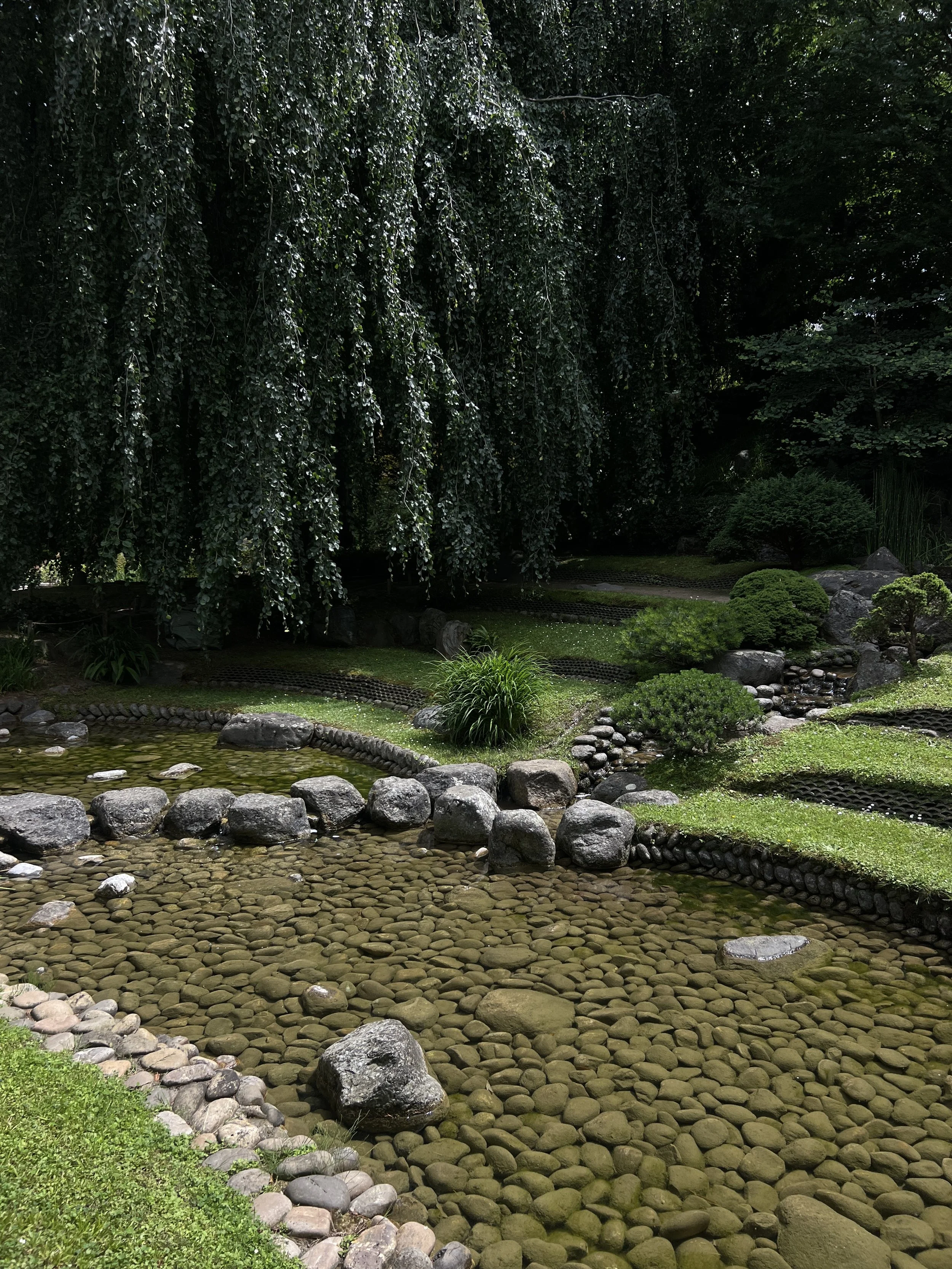
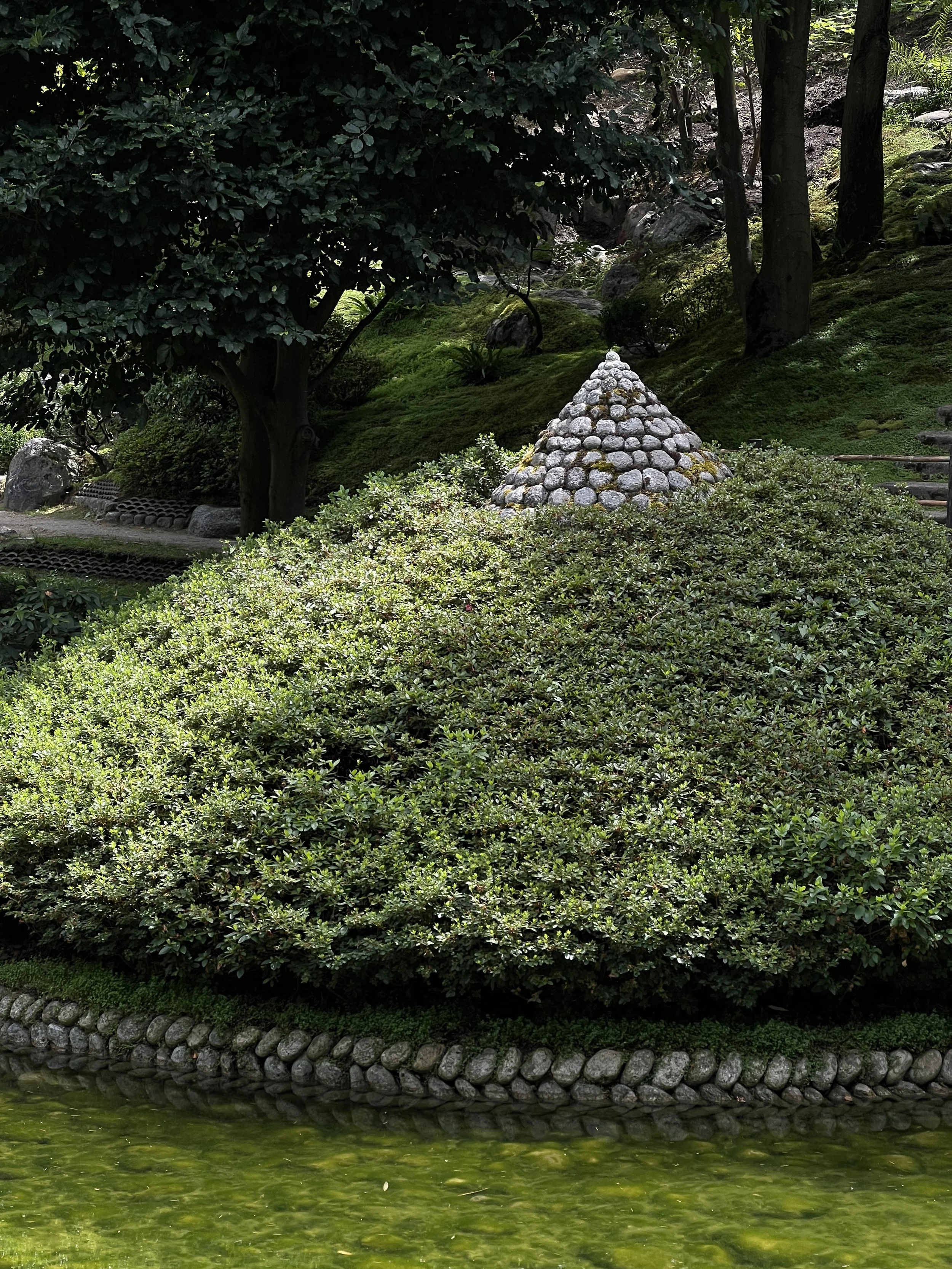
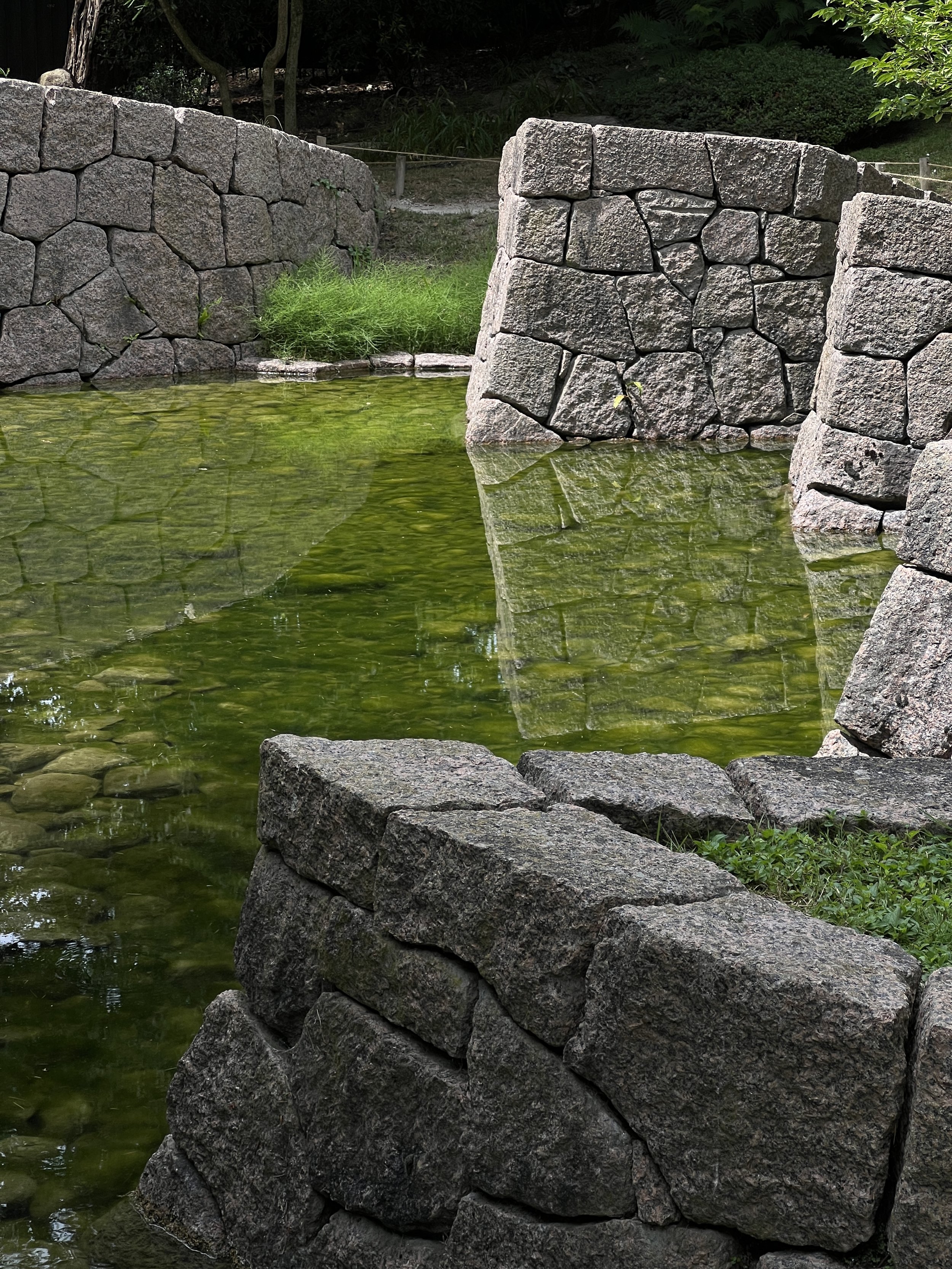
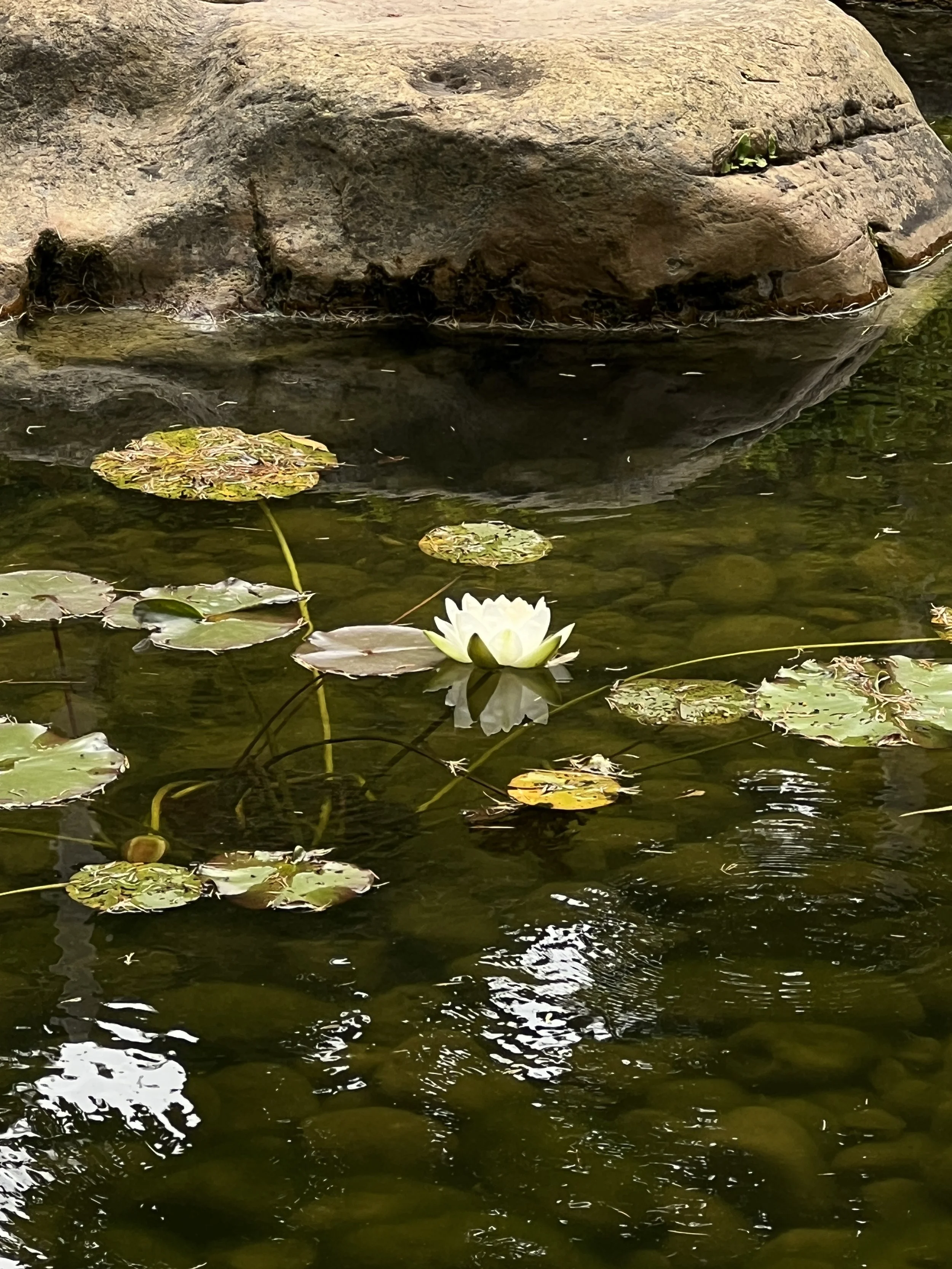
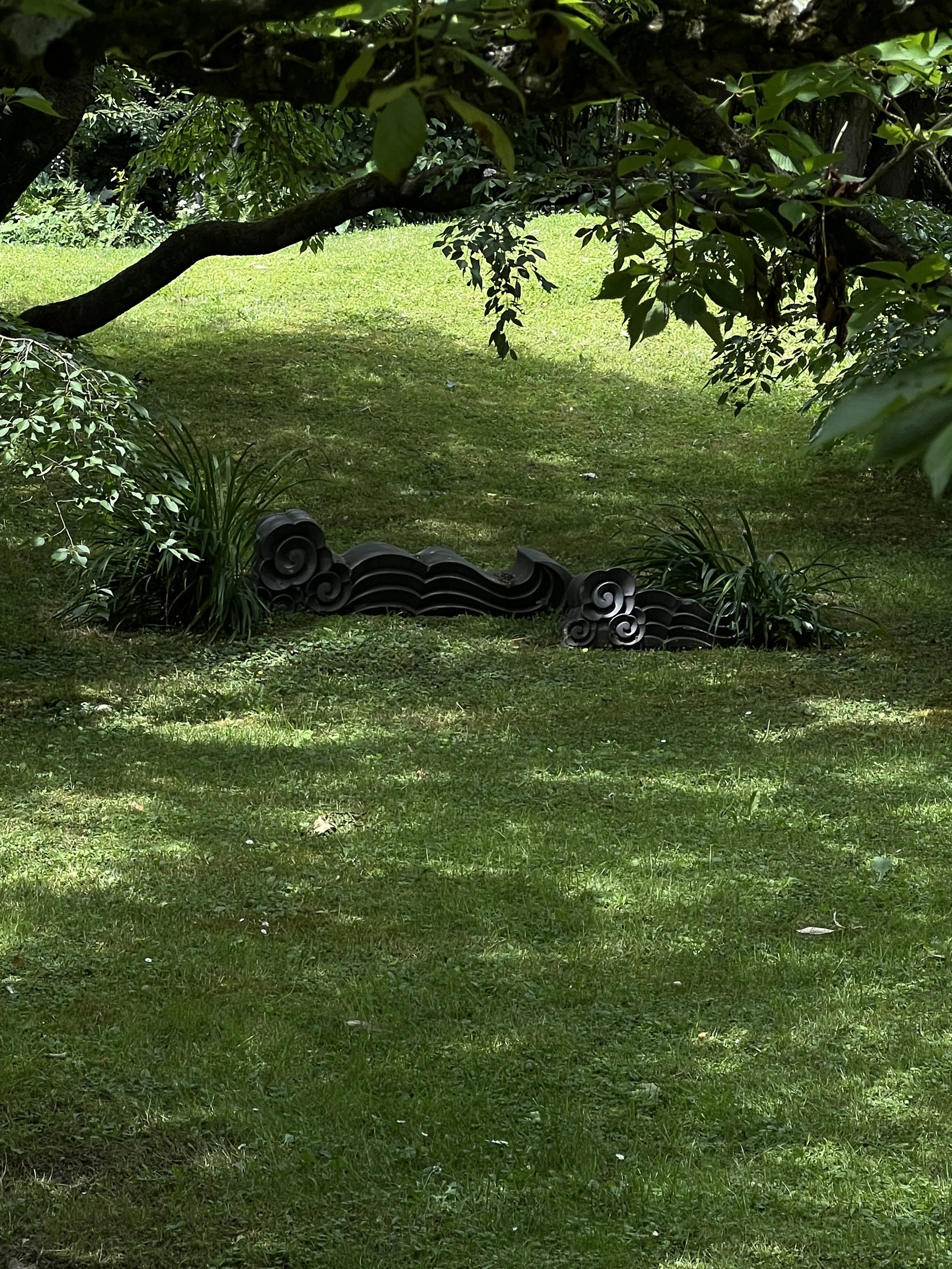
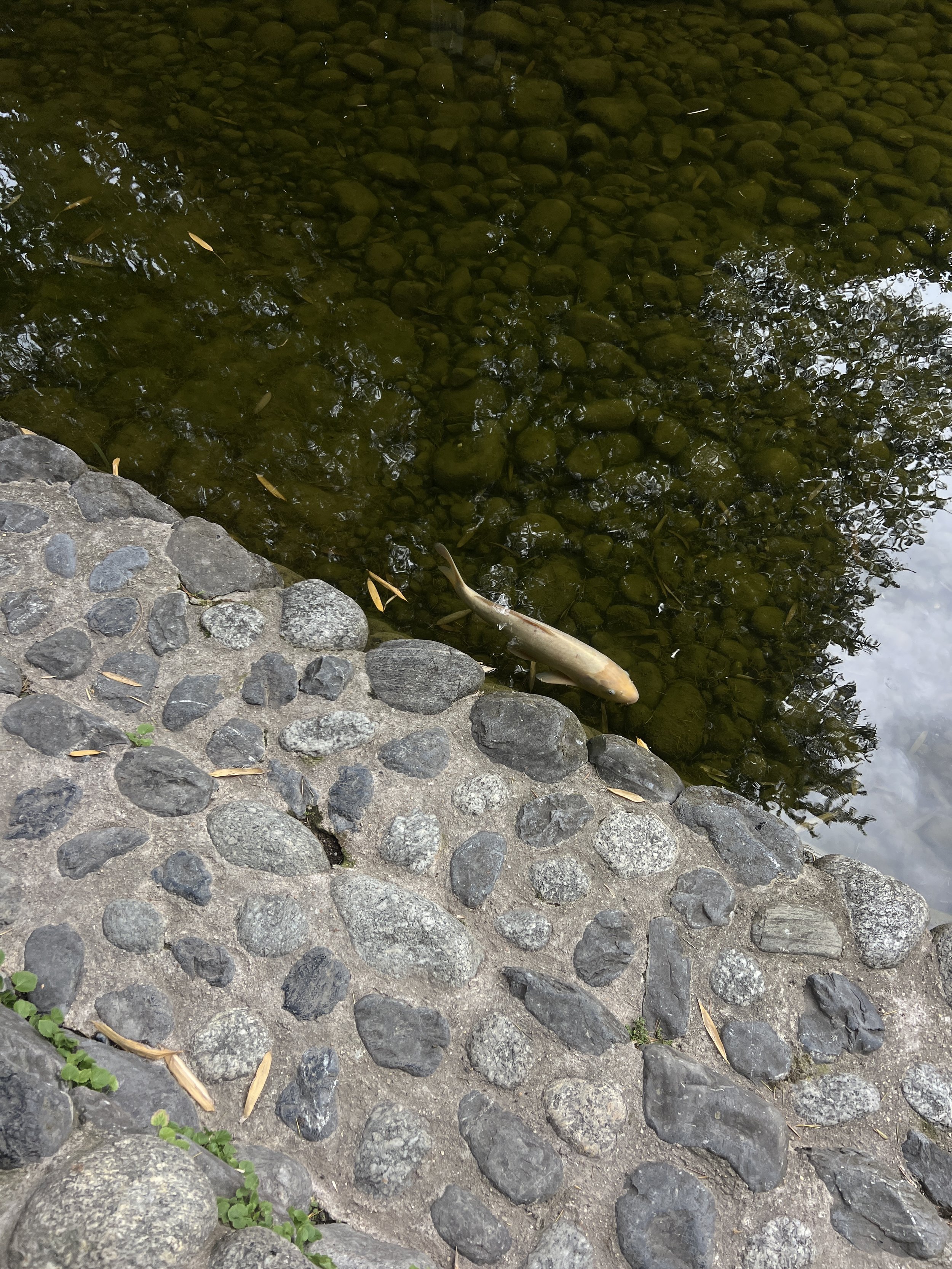
Love and loss, summer and winter. Here I’m reminded that to love deeply is to experience life’s greatest sorrows and to be loved by a parent with purity, intention, and pride is life’s greatest gift.
With deep love comes great pain. Both feel endless like the stream in the garden and my father’s love for me. Suddenly, I’m not the young woman who moved away to Paris with big dreams and a plan. I’m just a little girl in the garden spending time with her dad.
Until next time,
À bientôt
Kiana